5 fatal mistakes when clearing cars that cost thousands of euros
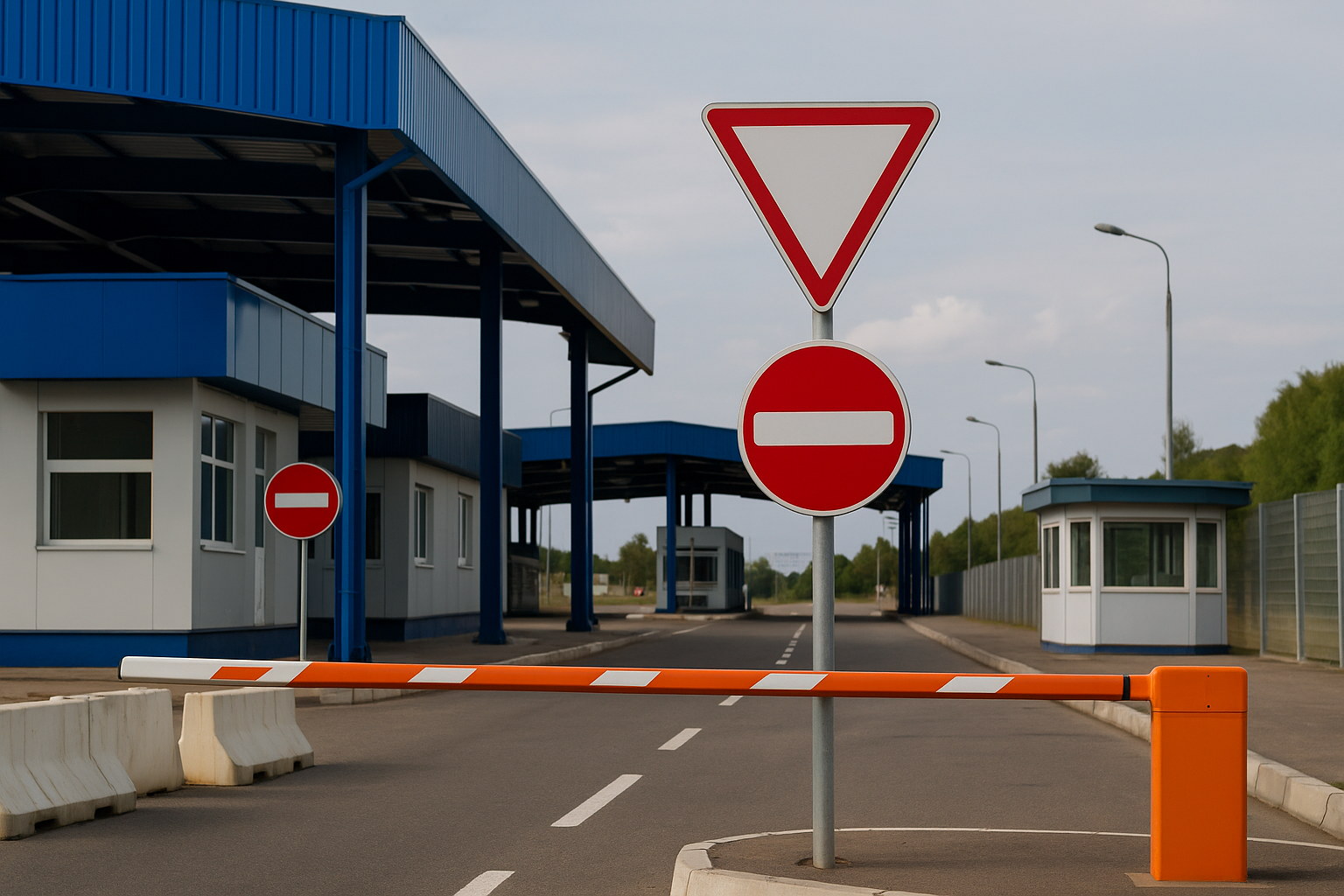
At first glance, the customs clearance procedure looks simple. But one inaccuracy — and the budget will increase by hundreds or thousands of euros. We have collected 5 critical mistakes and simple ways to avoid them.
1. Documents with errors
Most often, customs clearance is delayed or becomes more expensive precisely because of inaccuracies in the papers. Typical errors:
- incorrect or incomplete information on the invoice
- inconsistency of the technical passport with the actual condition of the car
- lack of customs seal or incorrect export country
Also remember that all documents must be official - no copies, scans or color prints. The car must have a "clean" history - no arrests, liens or involvement in accidents. These are elementary things that are checked before purchase, for example, through services like Cebia.
2. Incorrect VIN code
The VIN consists of 17 characters — and even one mistake can stop customs clearance. Typical problems:
- confusion between zero (0) and the letter “O” — the letters O, I, Q are not used in the VIN
- mistakenly rewriting by hand instead of copying
- auto-replace characters in Word or Excel
If the VIN is incorrect, the customs office will not be able to find the car, and the entire process will stop until it is clarified. At best, there will be a delay. At worst, there will be a refusal to process.
3. Attempting to understate the cost
Some buyers intentionally understate the value of a car in their documents, hoping to reduce taxes. But customs has its own data sources and easily detects discrepancies. Then additional taxes, fines, or even the clearance is stopped altogether.
It is more profitable to immediately provide truthful information with confirmation - an invoice, payment, or auction results.
4. Unregistered benefit
Even if a car is eligible for benefits, you may lose the right to them due to:
- incorrect code in the declaration
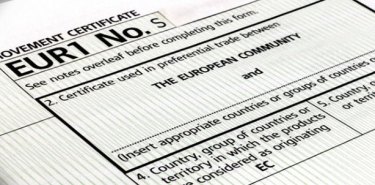
- lack of necessary documents, in particular EUR.1
- missed submission deadlines
What is in effect now (as of 2025):
Electric vehicles (BEV): 0% duty and 0% VAT until 31.12.2025, excise duty - 1 €/kWh of battery capacity. 
Hybrids (HEV/PHEV): excise duty — fixed €100 per car (subject to correct classification), customs duty 10% and VAT 20% apply. It all depends on the UKT ZEA code and the set of confirmations. 
Advice from West Auto Hub . Check the model for compliance with its UKT FEA code before crossing the border - this affects the excise tax rate and benefits .
5. Delay in processing
After entry, clear regimes and deadlines apply. Violations lead to significant fines or even confiscation under Articles 470/481 of the MCU. Do not delay with declaring and completing the registration. 
What to do to avoid unnecessary expenses
1. Check the car's history before buying.
2. Prepare original documents without errors.
3. Check the VIN against the photo/video of the body, not the ad.
4. Confirm the UKT foreign economic activity code and available benefits in advance.
5. Adhere to the deadlines for declaring and paying payments.
Briefly from West Auto Hub
The most common customs clearance failures are crooked documents, errors in the VIN, underpricing, unregistered benefits, and late deadlines. For BEVs, 0% duty and 0% VAT apply until 31.12.2025, excise duty is 1 €/kWh. For hybrids, excise duty is 100 € (per car) + duty 10% + VAT 20% depending on the classification. Follow the rules and deadlines of the MCU - the fines are significant.
FAQ
- Are BEVs really cleared without VAT and duty? Yes, until 31.12.2025 - yes; excise duty of €1/kWh is paid. 
- What is the excise tax on hybrids? Fixed at €100 per car (with correct classification), but the 10% customs duty and 20% VAT remain. 
- What will happen for violation of the deadlines? Fines under Articles 470/481 of the Civil Code, in severe cases - confiscation. 
- Is EUR.1 needed for benefits? EUR.1 confirms origin for preferences with partner countries. This is not about zero VAT on BEVs in Ukraine. 
- Benefits after 2025? Current plans - cancellation from 01.01.2026, stay tuned for changes.